
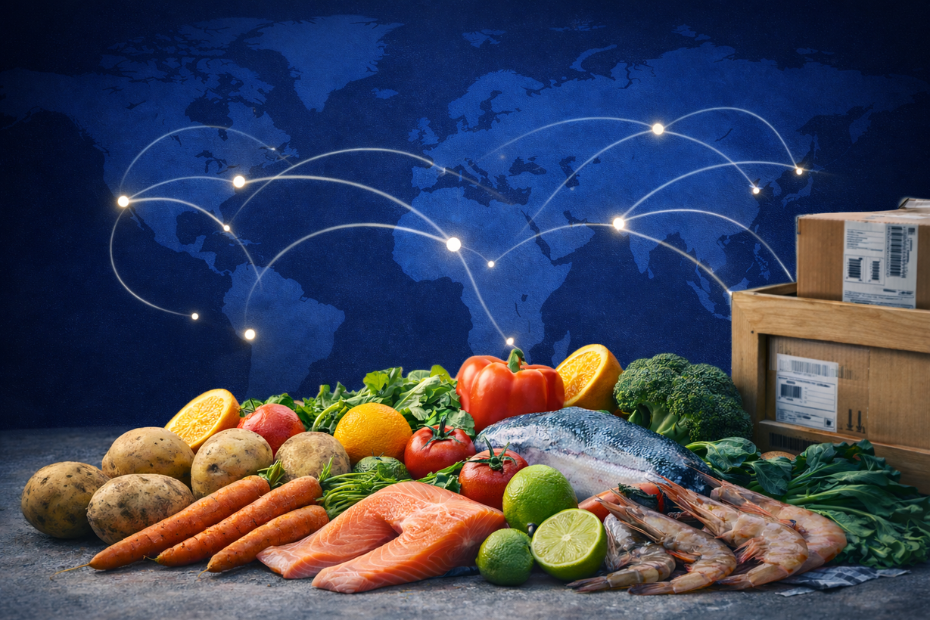
In an increasingly interconnected market, food imports and exports have evolved from a mere logistical operation into a strategic endeavour.
The demand for diversity, quality and consistency requires companies to operate with precision, adaptability and a constant understanding of the market.
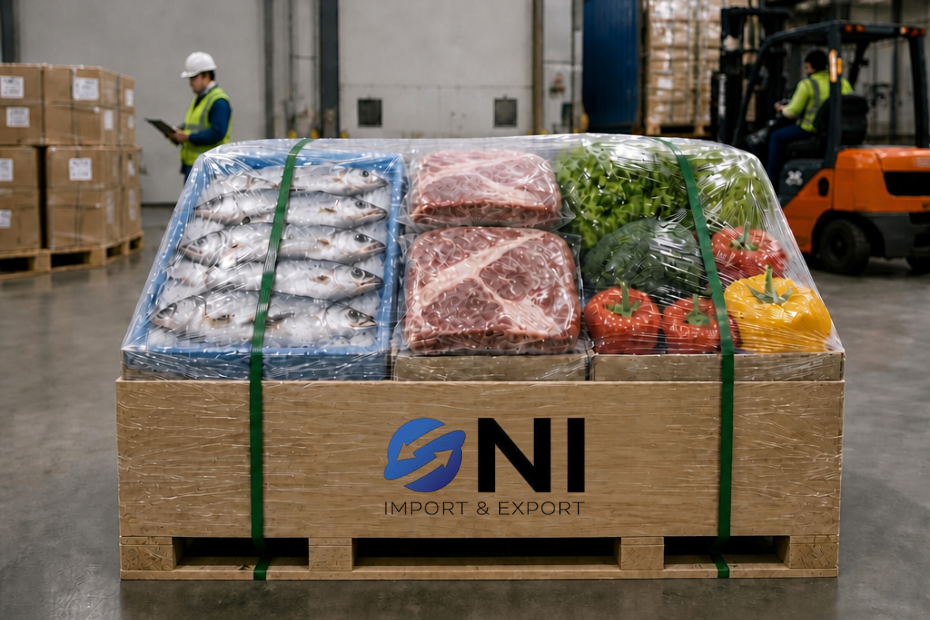
It is in this context that operators such as ONI play a key role, ensuring not only access to products but also confidence throughout the entire process.
A demanding sector by nature
The food supply chain is particularly sensitive. Unlike other sectors, it deals with perishable goods, which are subject to variations in temperature, weather and transport conditions. This means that any failure, however minor, can compromise the final quality and, consequently, customer confidence.
One of the main challenges remains international logistics. Managing deadlines, routes and modes of transport requires rigorous planning and the ability to respond to unforeseen events such as port delays, strikes or changes in global supply chains. Companies such as ONI stand out precisely because of their ability to anticipate and build solid networks of suppliers and logistics partners.
Regulation and compliance
Another critical issue is regulation. Each market has its own legal, health and phytosanitary requirements. Non-compliance can result in goods being held up, financial penalties or even trade restrictions.
In this scenario, technical expertise ceases to be a mere detail and becomes a strategic asset. ONI, operating across different regions, ensures that all products comply with the required standards, reducing risk and guaranteeing efficient entry into destination markets.
Preservation and quality control
Food preservation is another structural challenge. From origin to final destination, it is necessary to ensure that the cold chain, where applicable, is not broken and that products retain their characteristics.
This control requires investment in technology, constant monitoring and well-defined processes. Companies with experience in the sector, such as ONI, are able to ensure this level of rigour, offering their customers products that arrive with the same quality as when they left their point of origin.
Transport and operational costs
Food preservation is another structural challenge. From origin to final destination, it is necessary to ensure that the cold chain, where applicable, is not broken and that the products retain their characteristics.
This control requires investment in technology, constant monitoring and well-defined processes. Companies with experience in the sector, such as ONI, are able to ensure this level of rigour, offering their customers products that arrive with the same quality as when they left the point of origin.
Opportunities in a global market
Despite the challenges, the global landscape presents clear opportunities. The growing demand for specific products outside their country of origin is creating a dynamic and expanding market. Fruit, vegetables, wines and distinctive food products are gaining prominence as consumers and businesses seek variety and quality.
ONI positions itself in this landscape as a facilitator of access. By working with products such as fresh fruit, vegetables and South African wines, it meets a specific market demand, ensuring a consistent supply tailored to customers’ needs.
Another key point is market diversification. Companies operating internationally reduce their dependence on a single market and increase their resilience. The ability to adjust supply according to demand in different regions becomes a clear advantage.
Companies such as ONI demonstrate that, when there is structure, knowledge and strategic vision, it is possible to transform a complex sector into an opportunity for sustained growth.
In a global market, the difference lies not only in the product, it lies in how it reaches its destination. Keep up to date with all our news via our blog, as well as our social networks: Facebook, Instagram and LinkedIn.